


A custom website for a small or mid-sized business typically takes about 4 to 16 weeks to build, depending on its size, features and how quickly content and feedback come in. In a 2026 survey of more than 300 web development firms, half said a mid-sized website takes 4 to 8 weeks, and another 32% said 8 to 16 weeks. Basic sites can launch in a few weeks, while ecommerce and enterprise builds often take several months.
The biggest factor isn’t usually design or code. It’s how fast content, decisions and approvals move. Below is a phase-by-phase timeline, typical ranges by site type, what slows projects down and what you can do to launch sooner.
How long does a custom website take by site type
The GoodFirms 2026 website cost survey asked web development companies how long typical projects take. Here are the most common answers.
| Website type | Most common timeline | Share of firms giving that answer |
|---|---|---|
| Basic website | 2 to 4 weeks | 71% |
| Mid-sized business website | 4 to 8 weeks | 50% |
| CMS-based website | 4 to 8 weeks | 36% |
| Custom web application | 8 to 16 weeks | 36% |
| Enterprise website | 8 to 28 weeks | 32% |
The same survey put ecommerce builds at 8 to 28 weeks. For comparison, builds on AI and no-code site builders were much faster, with most finished within two weeks. Those are mostly template-driven projects, though, so they aren’t a fair comparison to a custom build.
Other sources run longer. HubSpot’s guide estimates five to six months for a professionally built site from start to finish, including time spent choosing a developer. Clutch reports that most web design projects reviewed on its platform last seven months, a figure that includes many larger and more complex builds.
So a realistic expectation for a custom small business site is a few weeks to a few months. Larger sites with integrations, ecommerce or many stakeholders can stretch past six months.
Website build timeline, phase by phase
Every custom site moves through roughly the same phases. Here are the ranges HubSpot and Shopify publish for each one.
| Phase | What happens | Typical range | Source |
|---|---|---|---|
| Discovery and goal setting | Goals, audience, competitors, scope | 1 to 3 weeks | HubSpot |
| Planning and site structure | Page list, navigation, content plan | 1 to 2 weeks | HubSpot |
| Wireframes | Rough layouts for key pages | 1 to 2 weeks | Shopify |
| Design | Full visual design and mockups | 2 to 3 weeks | HubSpot |
| Development | Building pages, features and integrations | 1 to 2 months (Shopify says 4 to 10 weeks) | HubSpot, Shopify |
| Review and revision | Client review, fixes and changes | 1 to 2 weeks | HubSpot |
| Launch and final QA | Testing forms, devices, tracking, going live | 3 to 5 days | Shopify |
If you add up every range, you get a longer total than most small business projects actually take. That’s because phases overlap. Copywriting often runs alongside design, and development can start on approved pages while others are still in review.
Content is the one phase that doesn’t have a fixed slot. It touches everything from planning to launch, which is why it causes the most delays.
Discovery and planning
This is where the scope gets set. A good discovery phase covers your services, customers, competitors, the searches you want to win and what a lead is worth. The output is a page list and a plan everyone agrees on.
Skipping or rushing this phase is the most common reason projects stretch later. Changes are cheap on paper and expensive in code.
Content and copywriting
Every page needs words, photos and proof. If you’re writing copy yourself, this is often the longest phase. If your builder writes it, you’ll still need to review it for accuracy.
Design
Design usually starts with the homepage, then moves to service, location and other page types. Feedback rounds drive this timeline. Two focused rounds go faster than five rounds of small changes.
Development
Development turns approved designs into working pages. Booking, intake forms, CRM sync, ecommerce and custom features add the most time here. A site with many pages built from a few layouts moves faster than one where every page is unique.
QA and launch
Before launch, the site should be tested on phones, tablets and desktop browsers. Forms, phone links, tracking and redirects all need checks. On a redesign, this includes a redirect map so old URLs point to the right new pages. Our website redesign checklist lists every launch step.
What slows website projects down
Most delays come from a short list of causes:
- Content isn’t ready. Copy, photos, team bios and testimonials that are “almost done” can hold up the whole site.
- Too many feedback rounds. Each round of design or copy changes adds days or weeks.
- Too many decision-makers. When five people review every page, feedback conflicts and decisions stall.
- Scope changes mid-project. Adding a booking system or ten new pages during development resets part of the timeline.
- Waiting on access. Domain logins, hosting accounts, analytics and Google Business Profile access often take longer to find than expected.
- Third-party integrations. Connecting a CRM, scheduling tool or payment processor depends on another company’s setup and support.
HubSpot notes that development alone can stretch from one or two months to three or four when clients keep adding changes.
How to get your website built faster
You control more of the timeline than you might think.
- Name one decision-maker. Others can give input, but one person approves.
- Gather content early. Start collecting photos, reviews, service details and team info before the project begins.
- Let your builder write the copy. Professional copywriters usually move faster than owners writing between appointments.
- Give consolidated feedback. Collect everyone’s notes into one list per round.
- Lock scope before development. Save new ideas for a phase two after launch.
- Have logins ready. Domain, hosting, analytics and social accounts should be easy to share.
What to have ready before kickoff
If you want to keep your project on the faster end of the ranges above, gather these before the first meeting:
- A list of every service you offer, with the ones you most want to grow marked
- The areas you serve, including cities or neighborhoods you want location pages for
- Photos of your team, location and finished work, even phone photos help the designer plan
- Reviews and testimonials you have permission to use
- Three to five competitor websites, plus any sites you like the look of
- Logins for your domain registrar, current host, Google Analytics, Search Console and Google Business Profile
- Brand files, such as your logo, colors and fonts
- Common customer questions, which become FAQ content and help pages answer what buyers ask AI tools and search engines
You don’t need all of it perfect. A rough list in a shared folder is enough to let discovery and planning move quickly, and it cuts down the back-and-forth that stretches design and copy rounds later.
A website doesn’t have to be perfect at launch. It needs to be accurate, fast and clear. You can keep improving it once it’s live.
How we approach custom website builds
Our process follows the same general phases, kept simple so it’s easy on you.
- Discovery call. We talk through your business, your current site, your competitors and your goals.
- Plan. We map the pages your customers need, based on how they search and decide.
- Design. We design a custom site for your brand, never a template.
- Build. We build lean, fast pages that are SEO and AI SEO ready from day one.
- Launch. We test everything, handle redirects and go live, then keep improving the site.
You work directly with me and my tight-knit team, with 20+ years of combined experience. Timing depends on your site’s size and how quickly content and feedback come together, and we’ll give you a realistic schedule once we understand the scope. You can see more about our website design services, or our website design in Savannah if you’re local.
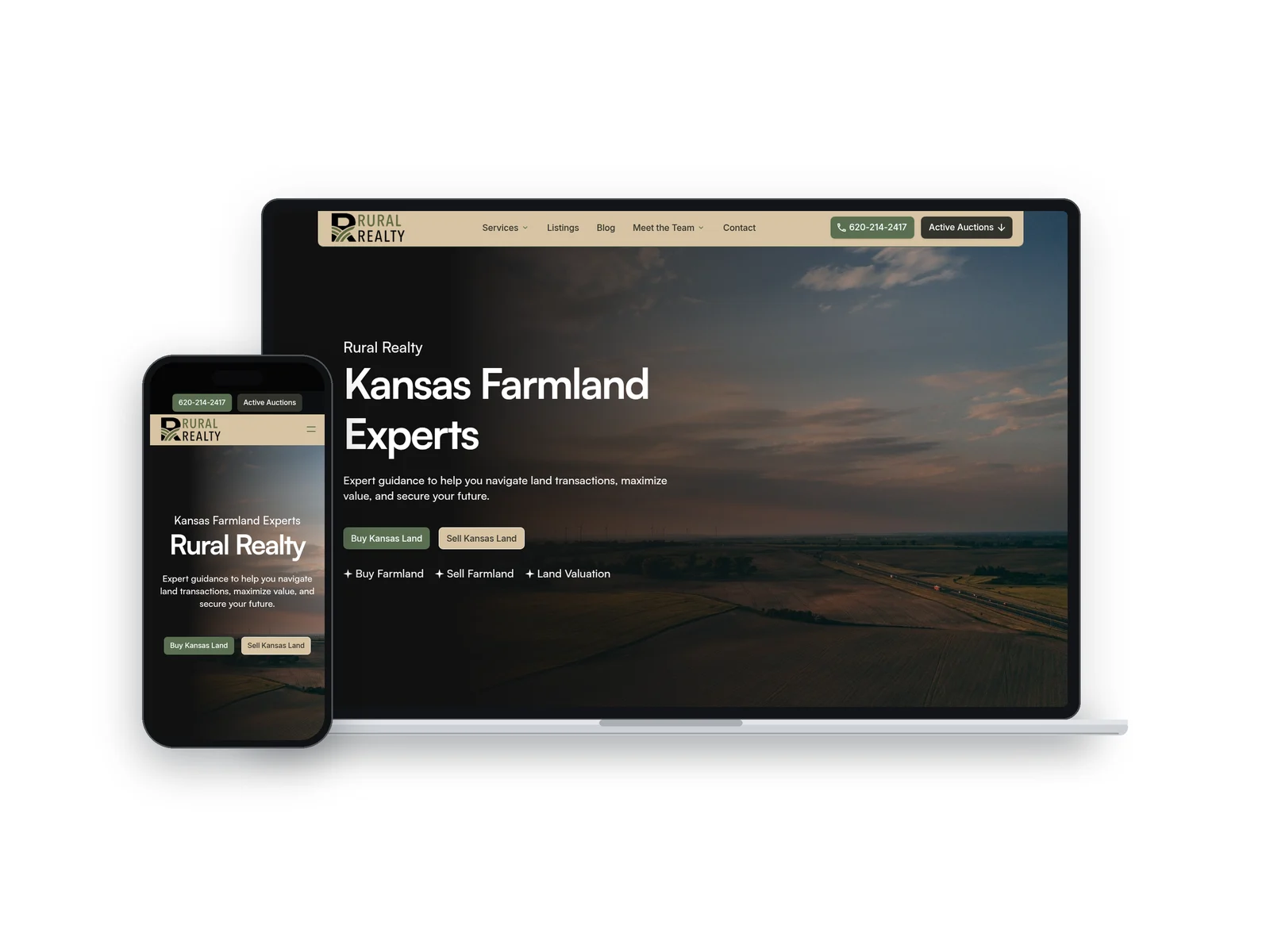
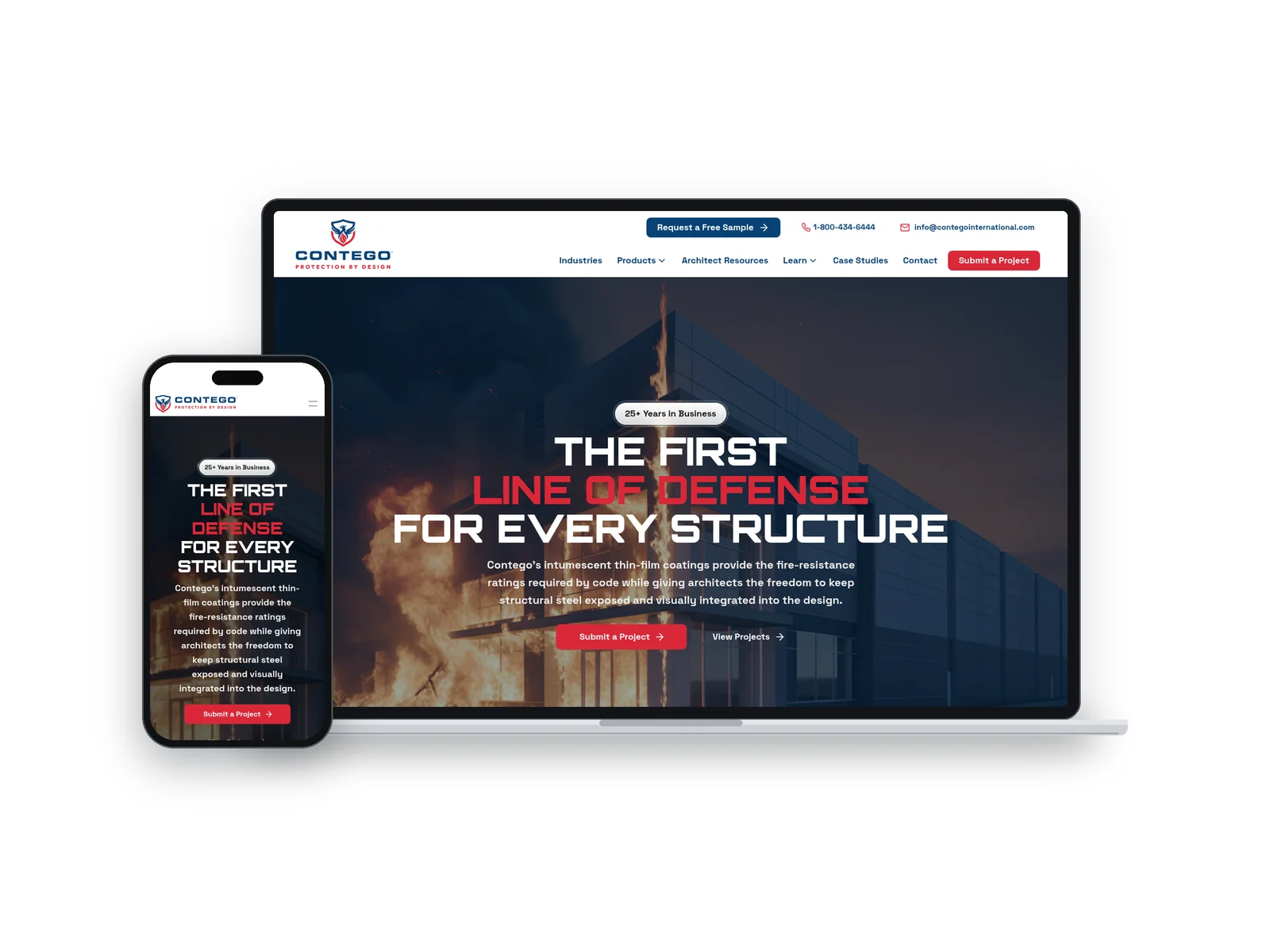
A custom website High Tide Marketing built for Rural Realty Co.
What happens after launch: SEO timing
Launch day isn’t the finish line for search. Google has to find, crawl and index your pages first.
Google’s documentation says crawling can take anywhere from a few days to a few weeks, and requesting a crawl doesn’t guarantee a page will be included in results. Submitting an XML sitemap in Search Console helps Google discover your pages, which Google says is especially helpful right after a new site launches.
If you’re redesigning an existing site, follow Google’s guidance on site moves with URL changes. That means mapping every old URL to its new page with a 301 redirect, so you keep rankings you’ve already earned.
Rankings for new pages build over months, not days. Our guides on SEO for a new website and how long SEO takes cover what to do in the first few months and what to expect.
Frequently asked questions
How long does it take to build a custom website?
Most small and mid-sized custom websites take about 4 to 16 weeks, based on GoodFirms’ 2026 survey of web development firms. Larger sites with ecommerce or complex integrations can take several months.
How long does it take to build a website with a template?
A template site on a website builder can launch in days to a couple of weeks if your content is ready. GoodFirms found most AI builder projects were finished within two weeks.
What is the longest part of building a website?
Development is usually the longest single phase, at one to two months according to HubSpot. Content is the phase most likely to cause delays, because it touches every other phase.
Can a website be built in a week?
A very simple site with ready content can. A custom site that includes research, copy, unique design and SEO setup usually takes longer.
How long does a website redesign take?
About the same as a new build, plus time for SEO migration and redirects. Our guide to website redesign cost covers what affects scope and budget.
How soon will my new website show up on Google?
Google says crawling can take a few days to a few weeks. Rankings take longer and depend on your content, competition and authority.
Get a realistic timeline for your website
If you’re planning a new site and want a clear schedule, book a discovery call. In 30 minutes, we’ll look at your current site, your competitors and your goals, then give you a plan and a realistic timeline for your project. If you’re still weighing your options, our guides on custom website cost and whether custom websites are worth it can help.